
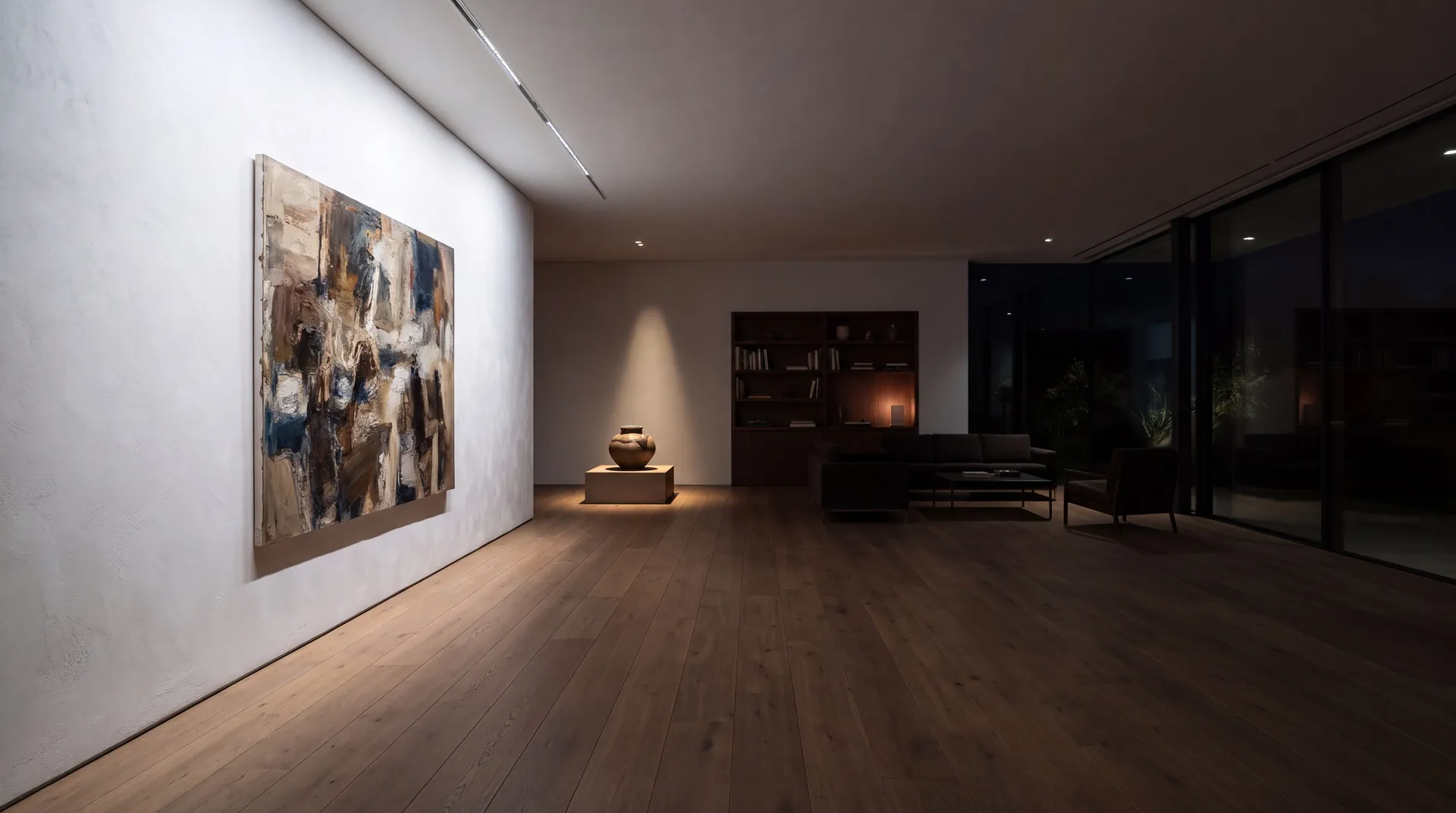
Ketra Lighting Design & Installation in Austin, TX
We design and install Ketra lighting for Austin homes where the quality of the light matters as much as the fixtures. That might mean a kitchen that needs bright counters without a cold cast at dinner, or a wall of art that never looks quite right under the existing downlights. We choose where the light should land, specify the Ketra sources and program the room so the settings worth keeping are available from the wall.
What does Ketra change that an ordinary dimmer doesn’t?
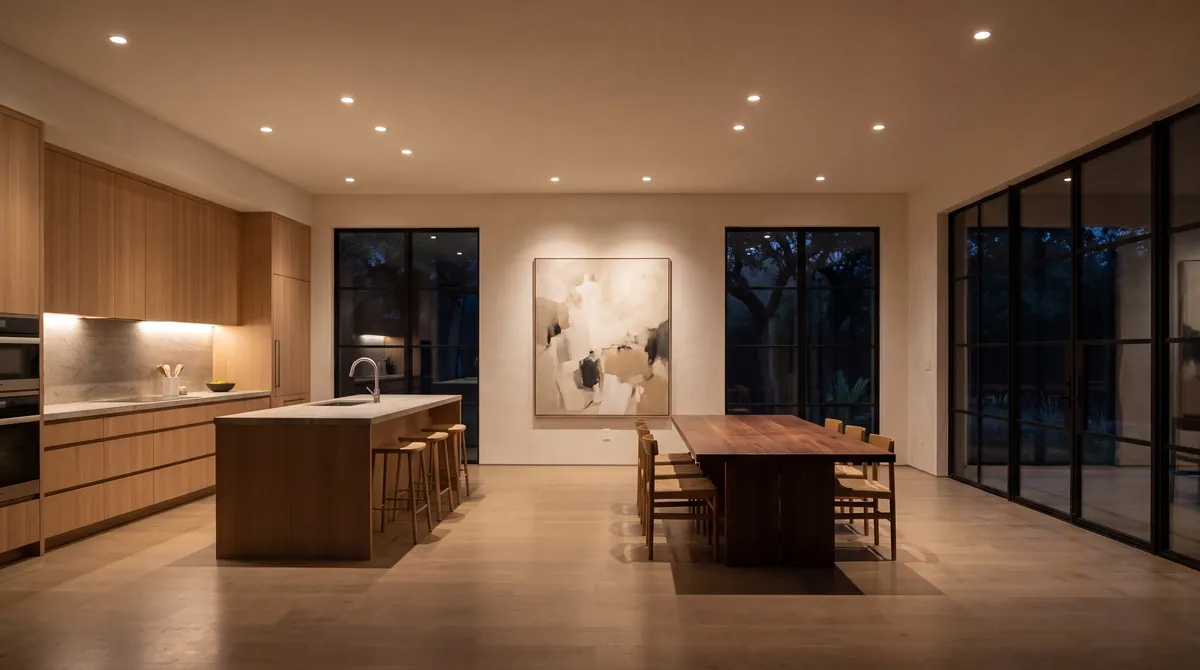
A conventional dimmer changes how much light a fixture produces. With a fixed-white LED, turning the level down doesn’t give you a different shade of white. A warm-dimming fixture can grow warmer as it dims, but warmth and brightness follow one another. Ketra lets us choose those qualities separately. You can keep enough light to read a recipe while taking the cool edge off the kitchen, then lower the light over the table without making the counter too dark to use.
That distinction matters in a home with more than one use for the same space. Consider a dining table that doubles as a desk. The owner may want light on the paper during the day, a softer tone over dinner and a low setting that leaves the table visible from the adjoining living room. Three brighter-or-darker versions of one setting won’t necessarily do all three jobs. We start by deciding what should be easy to see in each setting.
Start with the materials, not the color picker
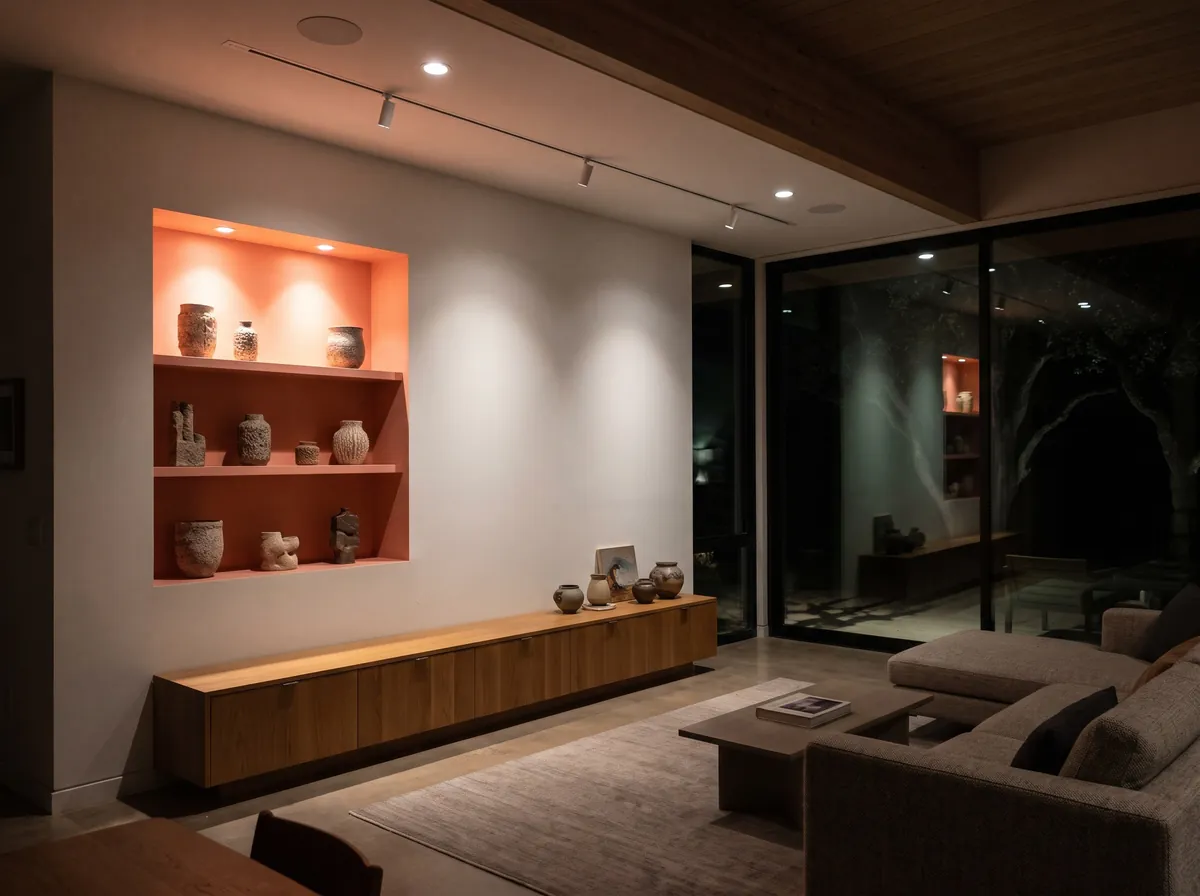
Bring finish samples to the lighting discussion if you have them. White oak, walnut, brushed brass and a painted cabinet door can look surprisingly different under the same light. The goal isn’t to make every surface appear warmer or more saturated. It’s to see which setting keeps the wood true to the sample you chose and which puts an unwanted cast on the adjoining stone. A photograph on a phone is a poor substitute for looking at those materials together.
Ketra gives us another adjustment called Vibrancy. It changes the mix of light at a given white color temperature, which affects how colors in an object appear. It’s useful when a painting loses its reds under a light that looks perfectly white on the wall beside it. We can compare two settings on the artwork without turning the whole room amber. Lutron’s Ketra FAQ explains how that differs from changing the color temperature itself.
Put premium light where you’ll notice it
At AV Connect, we don’t start by filling a reflected ceiling plan with identical fixtures. We start with what you see from your usual seat. If the first thing you notice is a bright circle reflected in the television, color tuning won’t solve it. If the first thing you see is a dark wall behind a beautiful piece of furniture, a carefully placed light on that wall may do more than a row of brighter lights overhead.
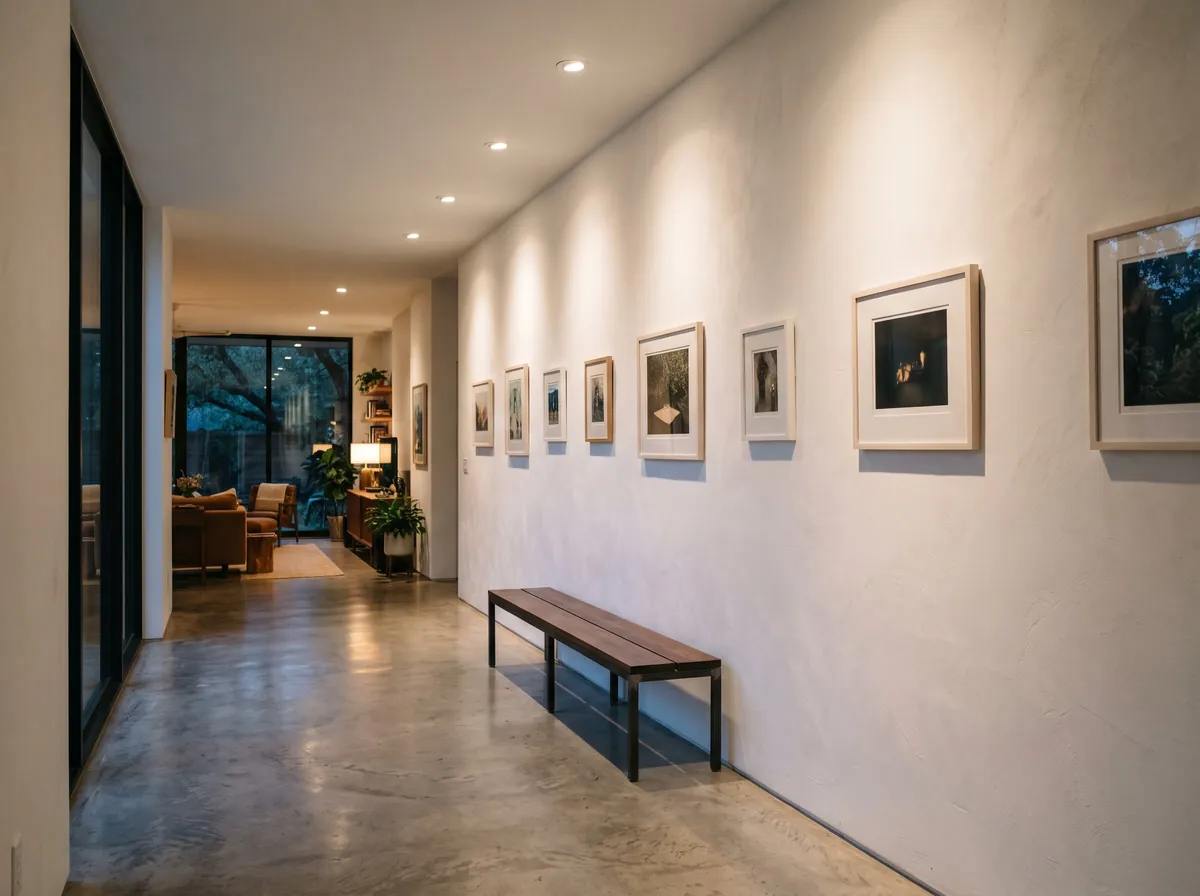
For a kitchen, we look at where someone stands to prep food and whether their body will block light aimed at the work surface. In a living room, we look across the furniture at face height as well as down at the floor. In a hall that doubles as a gallery, we plan around the width and location of the art. These are different jobs. The beam, aiming angle and fixture location matter before we choose a single scene.
A smaller installation can still make sense. If the kitchen, dining and living areas share one sightline, tell us which of them needs tunable light and what the neighboring fixtures will look like beside it. We might group those spaces in the design but keep conventional fixtures in a pantry or laundry room. That puts more of the budget into surfaces you see every day without making ordinary rooms needlessly complicated.
Plan the fixtures and controls together
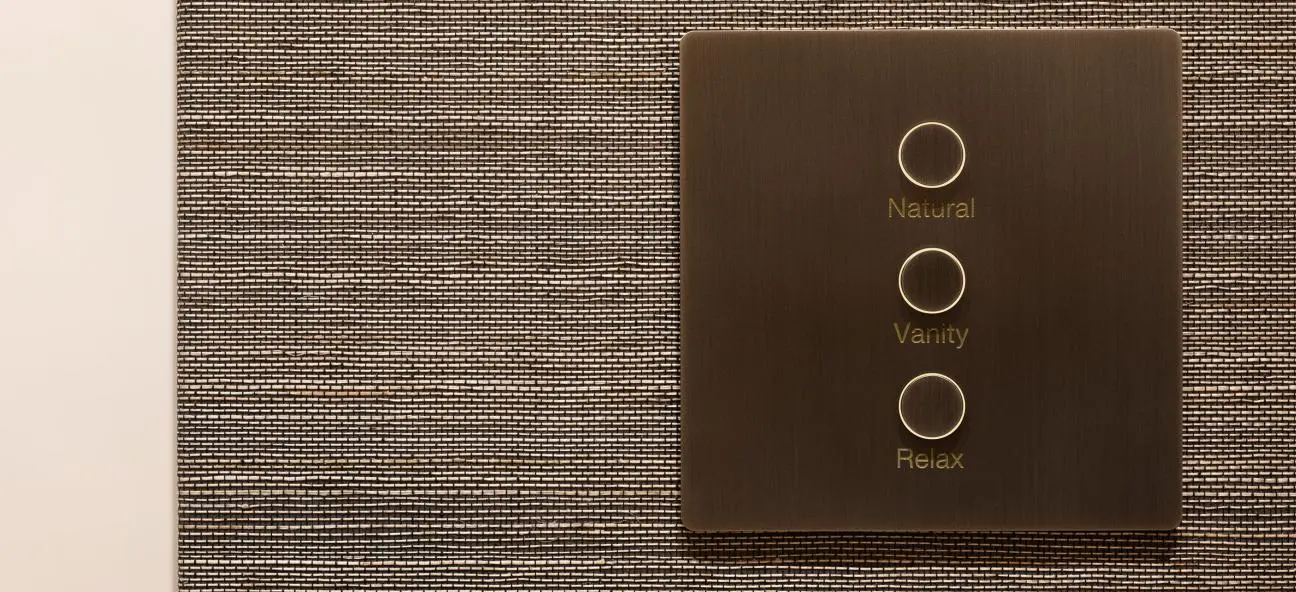
Ketra is the light source. HomeWorks is the Lutron control system we design around it for residential projects. A keypad can recall the brightness and tone we’ve set for a group of fixtures, so no one needs to open a color wheel to make breakfast. We also decide which lights should stay independently adjustable. The owner who likes a warm kitchen may still want more light over the sink than the rest of the family does.
During design, we review ceiling depth, fixture access and trim positions with the builder or electrician. If cabinetry runs to the ceiling, a downlight that looked centered on an early drawing may land too close to a tall door. If you’re retaining an existing housing, its size, wiring and location affect the options. Our architectural lighting service focuses on recessed lighting and retrofits; we coordinate around decorative fixtures your designer has already selected.
Natural light that follows your schedule
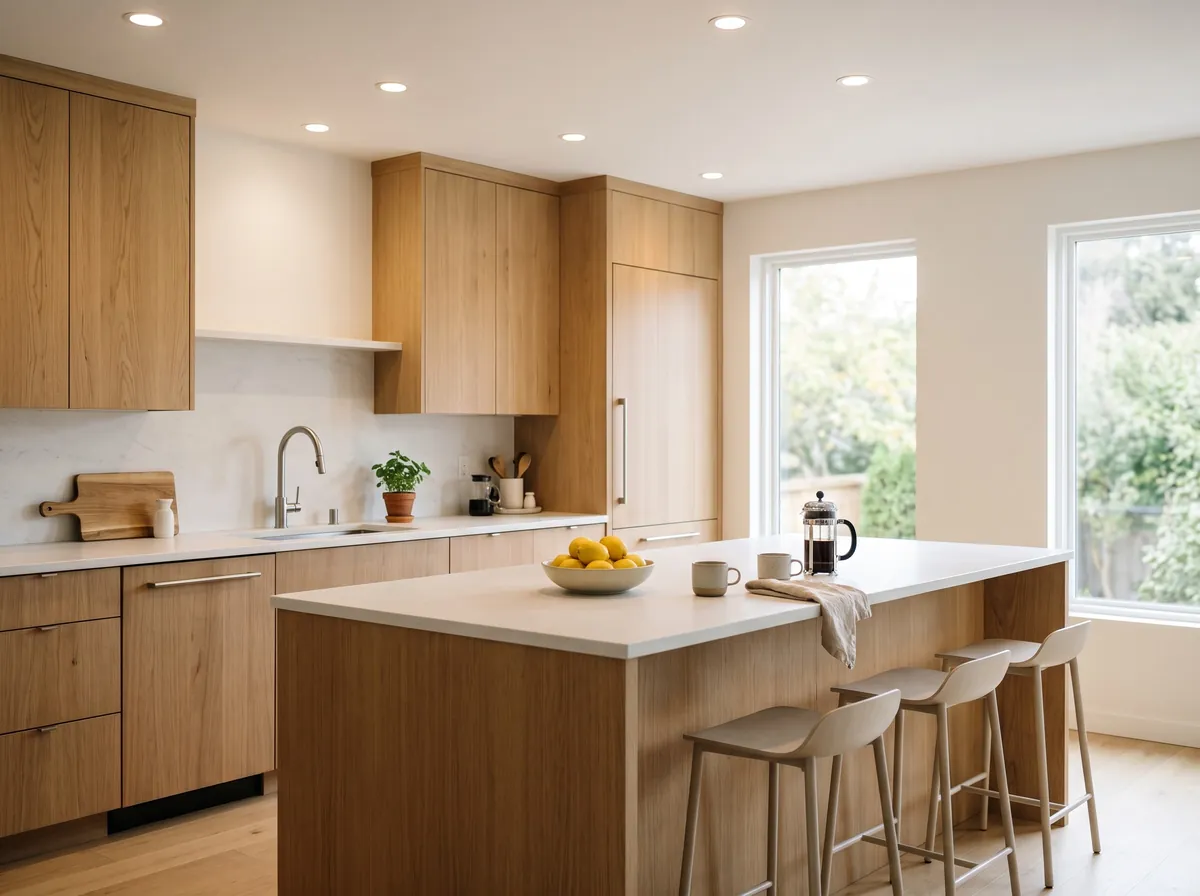
Ketra’s Natural Light Show can shift electric light through the day. The point is not to make every room change color on a timer. It’s to give a space a useful default so the morning setting doesn’t stay in place through dinner. We ask which rooms should follow the daylight pattern and where a fixed setting is preferable. A painting you want to see consistently and a breakfast area you use at different hours may call for different treatment.
We also decide what a manual override should do. If you select a brighter setting for homework late in the afternoon, you shouldn’t have to wonder when the room will return to its usual schedule. We walk through the intended sequence and program the wall controls around it. A short, specific label such as Read is easier to use than asking everyone to remember which scene number interrupts an automatic setting.
What installation and final aiming should deliver
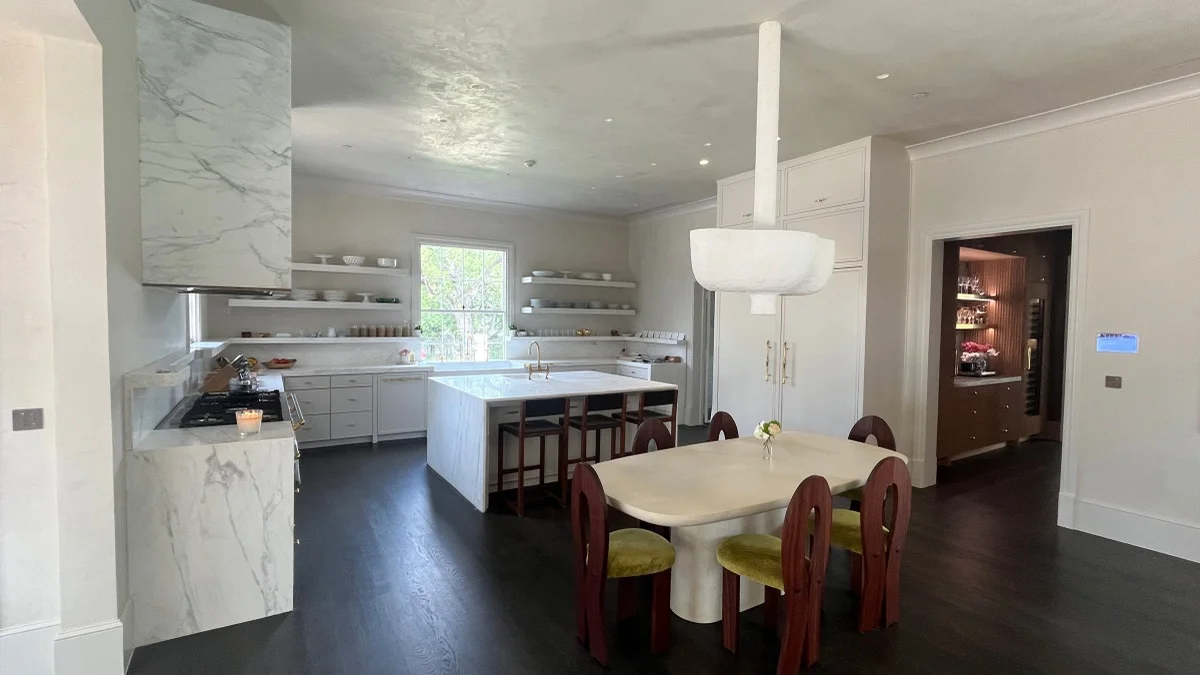
The first opportunity to improve a Ketra installation comes before the fixtures go in. We review mounting locations against the latest furniture plan, not just the first architectural drawing. The last opportunity comes after the room is furnished. With the dining chairs, rug and artwork in place, we can aim adjustable fixtures, compare the light on adjacent walls and set the levels while you look at the surfaces that prompted the project.
For a practical example of what to look for, our Austin project portfolio includes a kitchen with architectural recessed downlights. Look at the relationship between the ceiling openings, island and surrounding cabinetry. That photograph is a layout reference, not a way to identify the brand of a fixture. On your own plan, trace the edge of a tall cabinet and the spot where you’ll stand at the counter. Those two details tell us more about a useful aiming position than a perfectly symmetrical row on a drawing.
For the walkthrough, pick one daytime task and one evening task in each principal room. Try the actual keypad, not the programmer’s screen. Ask to see a lower light level without changing its tone, then a warmer tone without losing the light you need to read. Those two demonstrations tell you more about what you’ve bought than cycling through saturated colors. Keep the settings you like and give them names you’ll remember.
If you’re selecting fixtures for an Austin build or remodel, book a lighting design conversation before the ceiling layout is final. Bring the finish or room you most want to get right. We’ll work outward from that decision to fixture placement, control and the parts of the home where standard dimming remains the better buy.
What should I ask a Ketra lighting dealer and installer in Austin, TX?
Do I need Ketra throughout the house?
Is Ketra the same thing as HomeWorks?
Can I have warmer light without making the room darker?
Is a color-changing smart bulb a substitute for Ketra?
Can Ketra light an art collection without coloring the walls?
Can you add Ketra to an existing Austin home?
What should a Ketra installation proposal include?
Let's elevate your space
Book a consultationTell us about your space and how you want to use it. We'll guide the rest, from system design through final calibration and ongoing support.