
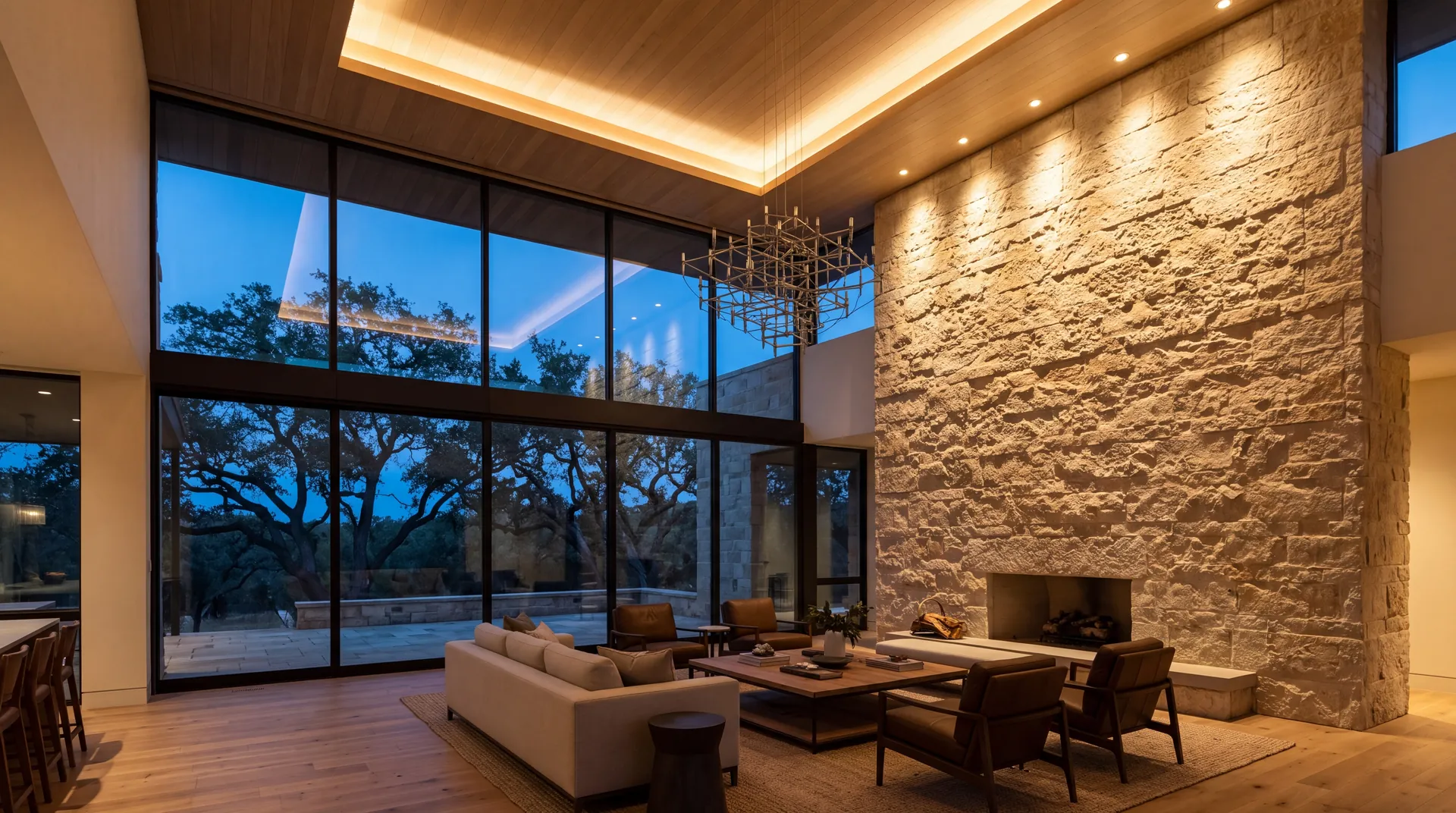
Lutron Dealer & Installer in Austin, TX
We design, install and program Lutron systems for Austin homes. We’re an authorized provider for HomeWorks and RadioRA 3, and we hold Lutron’s Residential Shades Qualification. If you’re building, we can take the lighting controls from the first electrical drawing through the last keypad engraving. If you’re remodeling, we start with a different question: what can we change about the way your home works while keeping the fixtures, wiring and finishes you want to keep?
What are you hiring a Lutron dealer to do?
A dimmer can lower the lights over a table. A lighting control system can bring those pendants down, leave enough light on the serving counter and turn off the downlight that reflects in the dining room window. The difference is deciding which fixtures should act together, wiring them so they can, and giving that combination a name someone will recognize on the wall. That design work is what you’re hiring us to do.
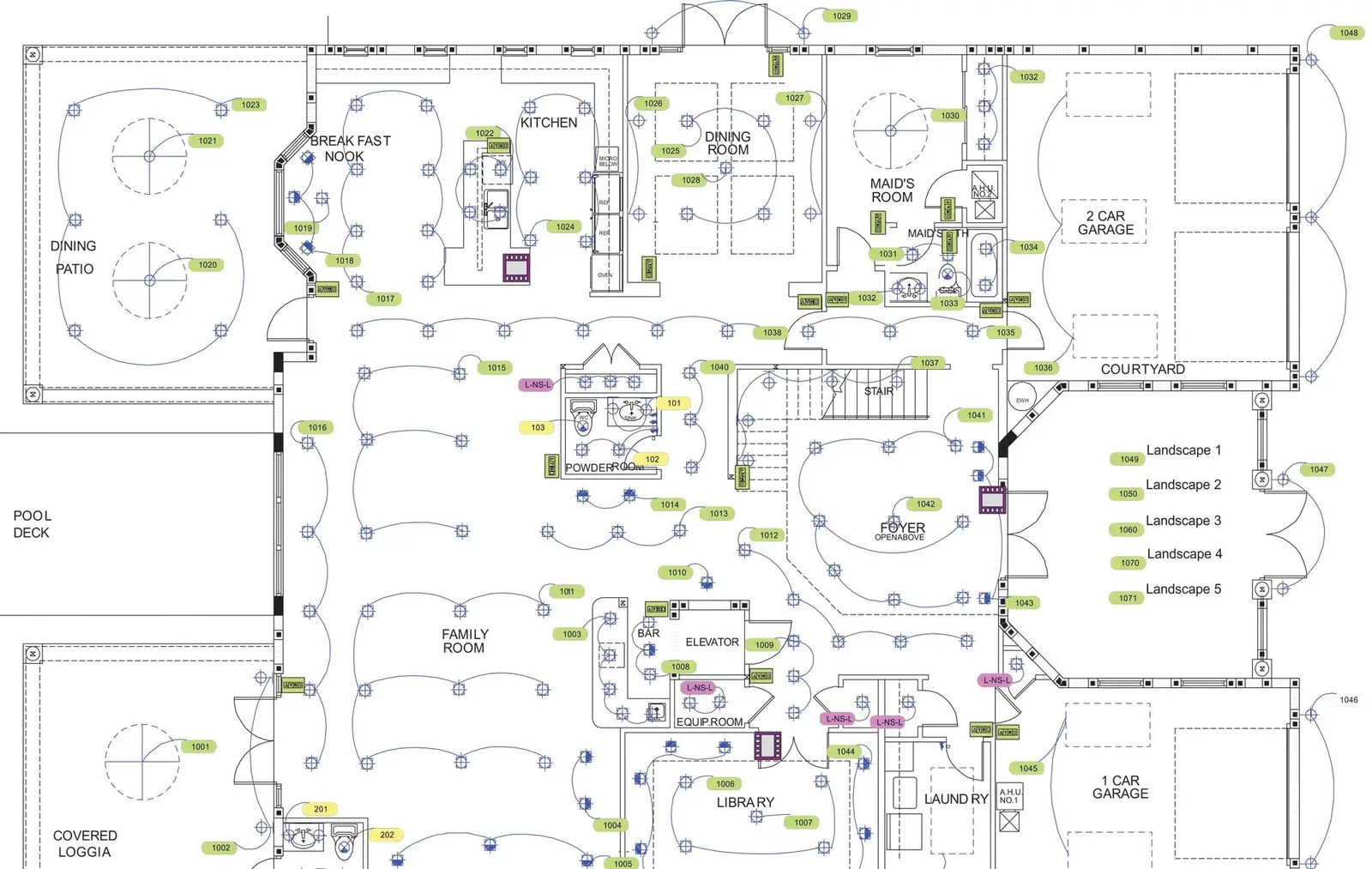
We start with a marked-up floor plan, not a shopping list. Show us the door you use with groceries, the switches that guests can never find and the rooms where you seldom turn on the overhead lights. Those details reveal which lights need their own controls. They also tell us where to leave a familiar switch alone. A well-designed house shouldn’t require a lesson before someone can find the powder room.

HomeWorks or RadioRA 3: start with the wiring
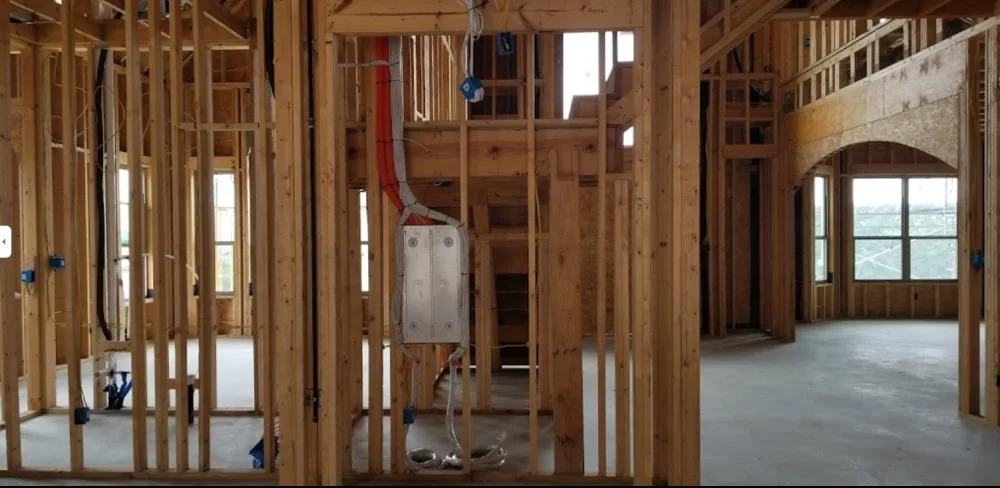
HomeWorks is the conversation to have while a new home or substantial renovation is still on paper. If you want a single keypad on a wall where a conventional plan calls for several dimmers, we can coordinate a panelized design with your electrician. The equipment that dims those circuits lives in an accessible panel, while the keypad tells it what to do. We plan both ends: the wall your designer wants to keep clean and the equipment location someone will need to reach years from now.
RadioRA 3 deserves a close look when the rooms are finished and the switch locations already work. We can build around selected wall controls and add shared commands where they make a difference. An entry keypad might handle the path from the garage through the kitchen without changing the operation of every bedroom. The useful comparison isn’t which system sounds more advanced. It’s which one delivers the controls you want with the least unnecessary work to the house.
At AV Connect, we’ll show you what each approach means on your own plan. For one option, that might be a panel location and a smaller group of wall controls. For the other, it might be individual dimmers in existing boxes. If a future addition would change the recommendation, we explain why before the electrician prices the job.
Lutron lighting control Austin homeowners can use by touch
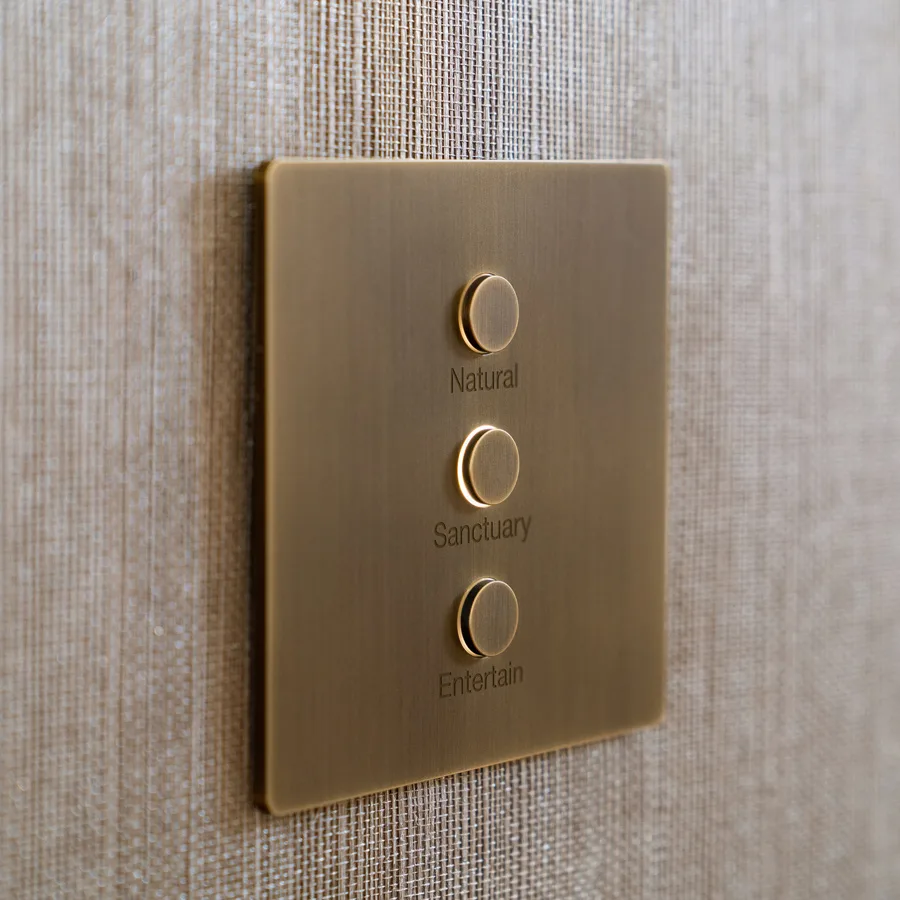
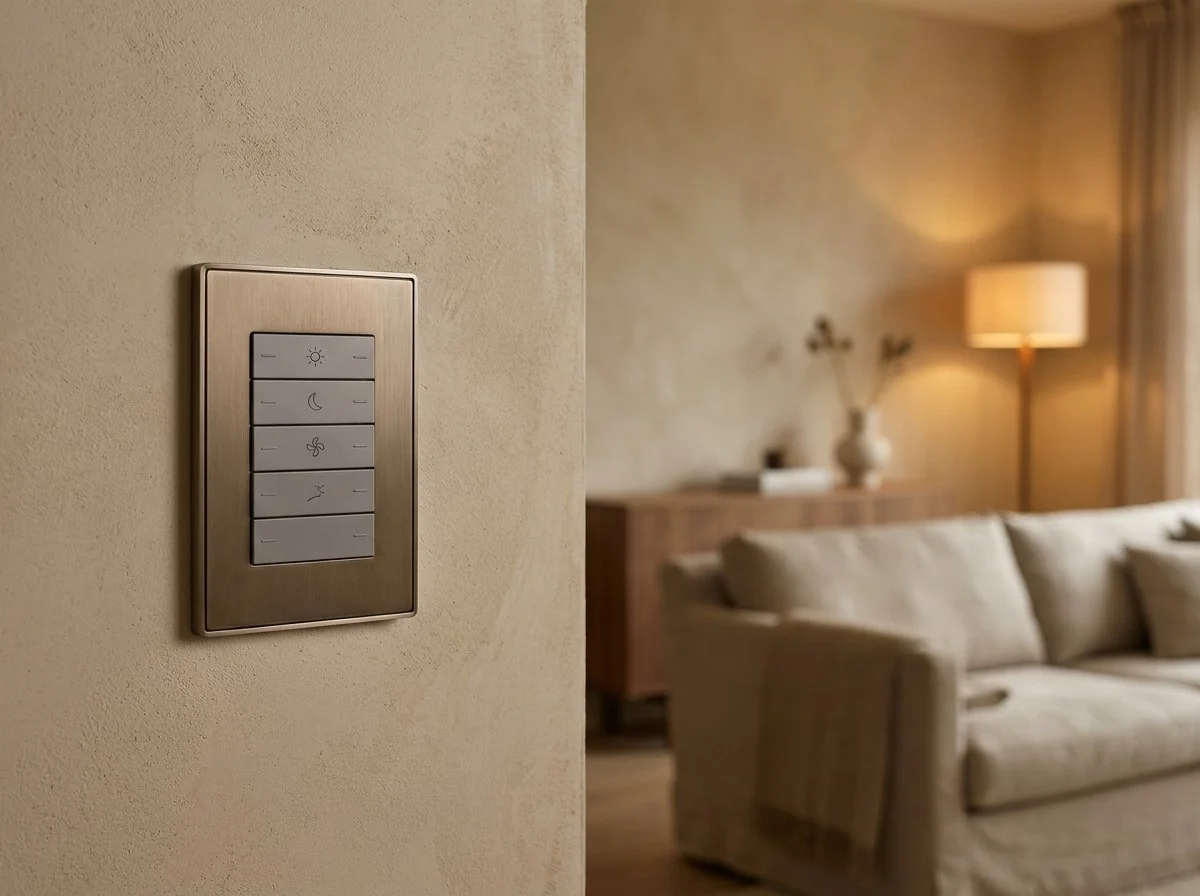
The most important keypad decision is what a button means. “Kitchen” could turn every light in the room on, or it could give you just enough light to make coffee. We get more useful answers by walking through specific tasks: preparing food at the island, eating at the counter, or crossing the kitchen after everyone else has gone to bed. Then we decide which tasks deserve a button and which can share one.
Think about the view from each doorway, too. Someone entering from the garage needs a clear path through the house. Someone entering the same kitchen from the dining room may only want the undercabinet lights. The same label should behave consistently wherever it appears, but every keypad doesn’t need the same labels. Before engraving, we review those choices with you in plain language. A guest shouldn’t have to choose between two buttons called Evening and Entertain just to find a glass.
Keep the fixtures you love and change the controls that matter
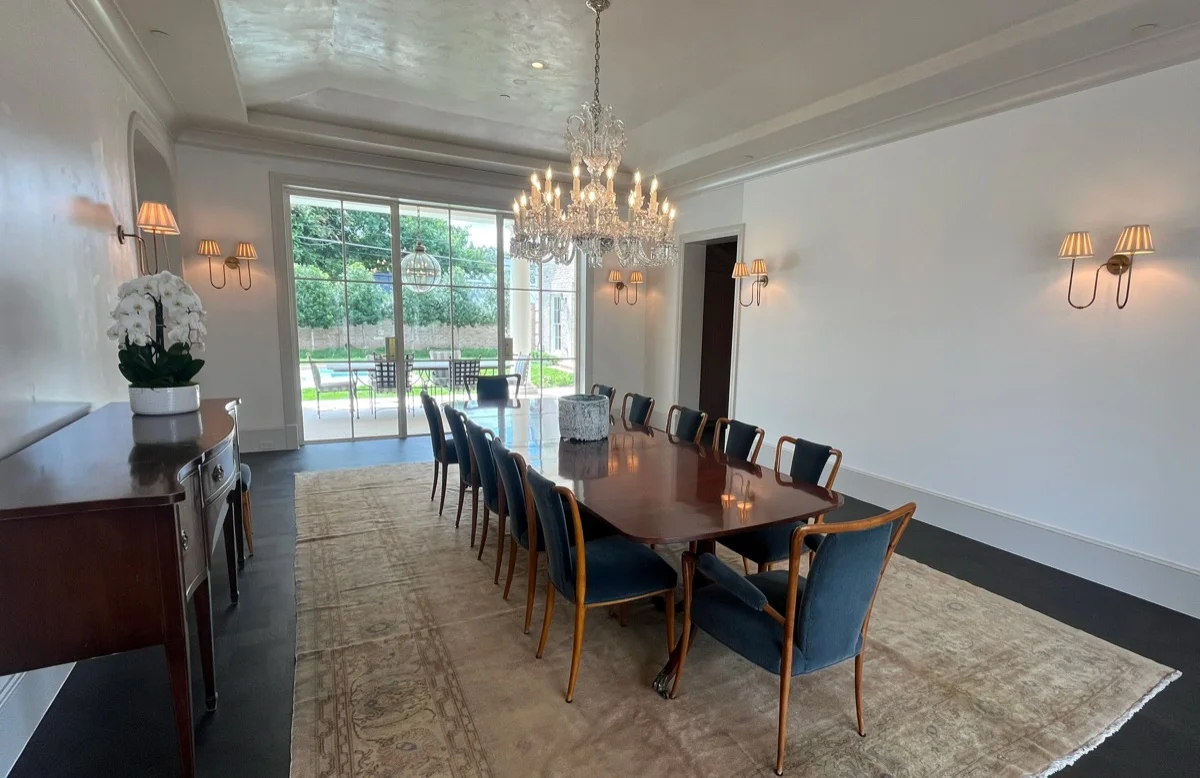
A Lutron project doesn’t have to start at the ceiling. If a chandelier is central to the room, we start by identifying its lamps or driver, the component that supplies power to an LED fixture. That tells us which dimming control belongs on the circuit. Two decorative fixtures that look identical in a photograph can behave differently near the bottom of their dimming range. We want to know whether the light stays steady at dinner, not just whether it turns on.
For rooms where changing the tone of the light matters as much as changing its level, we also design around Ketra. For windows where the afternoon sun defeats a good electric lighting scene, motorized shades may do more than adding another fixture. Our lighting and shade design work brings those choices onto the same plan. You can keep simple dimming in secondary rooms while putting the design budget where the difference is visible.
Lutron lighting Austin, TX: what your builder needs before rough-in
On a new build, we coordinate keypad positions with door swings, cabinetry and architectural elevations. A switch that lands neatly on an electrical drawing can disappear behind an open pocket door or cut through a panel of millwork. We also review how control and power wiring will reach equipment locations. Sorting out what goes behind the walls before rough-in gives the trades a drawing they can build from and gives you fewer finish decisions to revisit.
For a remodel, we separate the work by room and by trade. A proposal should tell you which controls stay, which change, who handles any new electrical work and where patching might be necessary. If you’re phasing the project, decide what the first phase should accomplish on its own. Completing the entry and principal living spaces usually gives a more useful result than replacing one unrelated switch in every room.
What a finished installation should deliver
We set the scenes with the room in mind, then refine them with you. Stand at the kitchen island, sit at the dining table and walk the hall with the evening setting active. A light that looks pleasantly low from the doorway can shine directly into your eyes from the sofa. That’s a programming decision you can make in minutes once the right fixtures have separate controls. It’s a much harder change if everything is on one circuit.
At handoff, use the controls yourself. Try leaving the house, coming back through the garage and changing one light without disturbing the rest of the scene. We explain where to make an everyday adjustment and when to call us for a programming change. Our project manager Christopher West brings more than 20 years of residential and commercial AV installation experience and holds HomeWorks and RA3 certifications. You can meet the installation team before your project starts.
Lutron dealer Austin, TX: what to compare in two proposals
Pick a single room both installers have priced and trace it from the drawing to the finished wall. Count the lighting groups you can adjust separately, not the number of fixtures. See whether the keypad price includes engraving, whether programming includes an evening adjustment with you present, and who owns the final circuit schedule. If one bid includes a panel, ask which wall boxes it eliminates. If another leaves the dimmers in the rooms, ask where those dimmers will sit. Those answers make the price difference intelligible without asking you to become a lighting engineer.
If you have drawings, schedule a Lutron design consultation before your electrical walk-through. For an existing home, start with the rooms you want to change. We’ll help you choose between HomeWorks and RadioRA 3 and identify the decisions worth making now.
Is AV Connect authorized for both HomeWorks and RadioRA 3?
Is HomeWorks only for new construction?
Can we keep using wall switches instead of a phone?
Do I have to replace an older Lutron system all at once?
Who handles the electrical work?
Lutron lighting Austin TX: why do installation quotes differ?
Can Lutron work alongside my existing smart home controls?
Let's elevate your space
Book a consultationTell us about your space and how you want to use it. We'll guide the rest, from system design through final calibration and ongoing support.